Introduction
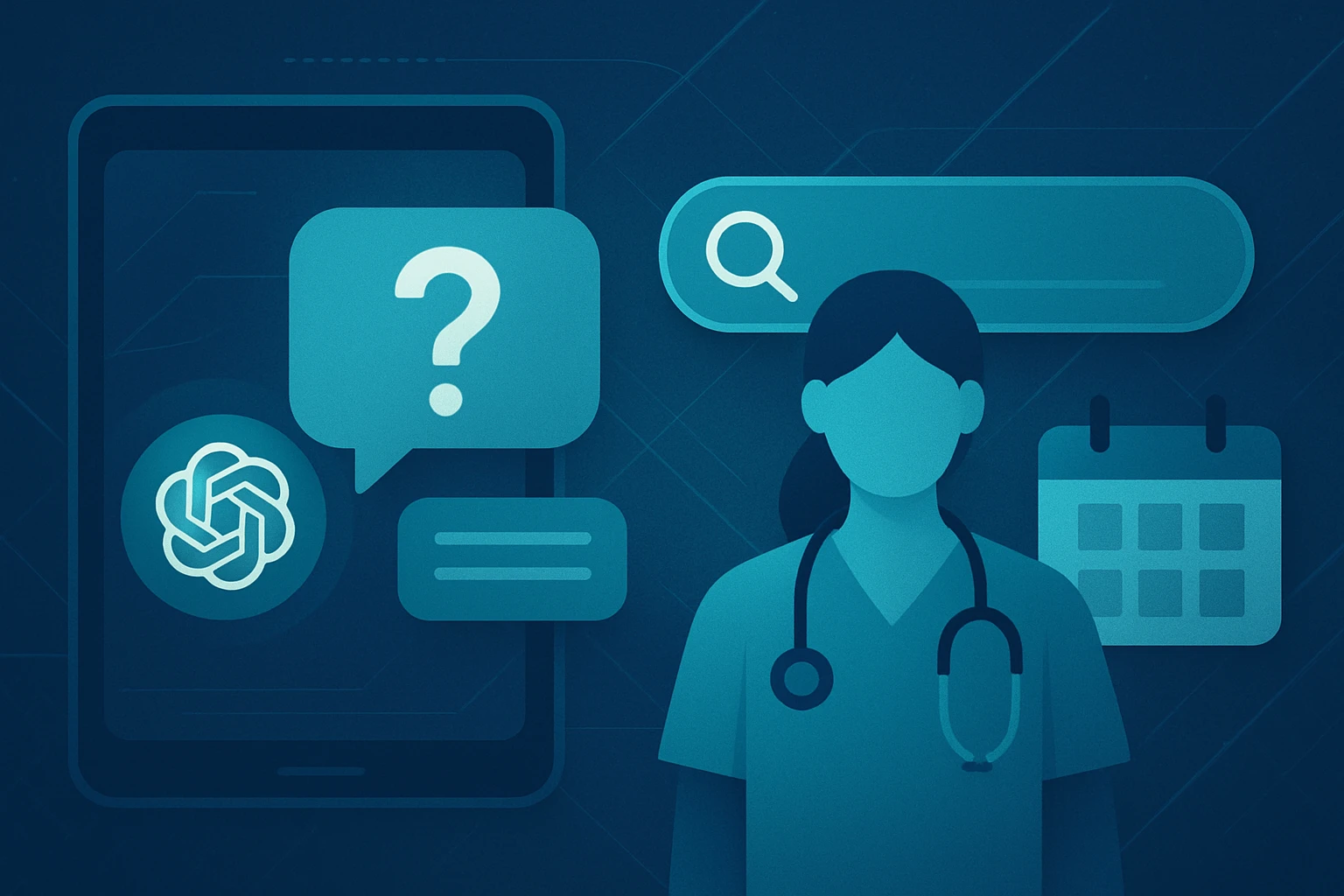
Urgent care clinics operate in a highly competitive environment where patients often select a provider based on immediate online visibility. The emergence of large language models such as ChatGPT has introduced a new class of data points known as discovery signals, which can be leveraged to enhance local search performance. This FAQ article examines chatgpt discovery signals for urgent care clinics and explains how they influence patient discovery, local SEO, and appointment conversions.
The following sections provide a structured, step‑by‑step exploration of each signal, practical implementation tactics, and real‑world outcomes. Readers will find actionable guidance that aligns with both search engine algorithms and patient behavior patterns.
Understanding Discovery Signals
What Are Discovery Signals?
Discovery signals refer to any observable interaction that indicates a user’s intent to locate a health service online. These signals include keyword phrases, conversational queries, location‑specific language, and sentiment expressed in reviews. When a language model such as ChatGPT processes large volumes of search data, it can identify emerging patterns that predict future patient searches.
In the context of urgent care, discovery signals help clinics anticipate the terms patients will use when they need immediate medical attention, thereby allowing the clinic to align its digital assets with those expectations.
Why Are They Critical for Urgent Care?
Patients seeking urgent care typically have a limited decision‑making window, often ranging from a few minutes to an hour. During this period, search engines prioritize relevance, proximity, and trust signals. ChatGPT discovery signals provide a predictive layer that enhances relevance by matching clinic content to the exact phrasing patients are likely to employ.
Furthermore, these signals improve the clinic’s local SEO profile by supplying fresh, context‑rich data that search algorithms interpret as a sign of authority and timeliness.
Core ChatGPT Discovery Signals
1. Keyword Intent Mapping
Keyword intent mapping categorizes search terms into informational, navigational, and transactional intents. ChatGPT can automatically classify new queries, allowing urgent care clinics to tailor landing pages accordingly.
Example: A query such as "walk‑in clinic near me for sore throat" demonstrates transactional intent, prompting the clinic to showcase same‑day appointment booking widgets.
2. Conversational Query Patterns
Conversational queries mimic natural speech, often beginning with "how do I" or "where can I". ChatGPT excels at recognizing these patterns and suggesting content that answers them directly.
Implementation tip: Create FAQ sections that mirror conversational phrasing, such as "How do I know if I need urgent care for a fever?".
3. Localized Language Models
Localized language models incorporate regional slang, abbreviations, and place names. By training ChatGPT on local search data, clinics can capture signals like "ER" versus "urgent care" in specific cities.
Real‑world application: A clinic in Austin, Texas, discovered that users frequently search for "walk‑in clinic TX"; optimizing for this term increased organic clicks by 23%.
4. Real‑Time Symptom Trending
ChatGPT can analyze social media, news feeds, and search logs to detect spikes in symptom‑related queries. When a flu outbreak occurs, the model surfaces related discovery signals.
Proactive response: Updating website copy to include "flu symptoms" and "same‑day flu testing" during peak periods can capture surge traffic.
5. Review Sentiment Analysis
Sentiment analysis extracts emotional tone from patient reviews. Positive sentiment around "quick service" or "friendly staff" can be amplified in meta descriptions and schema markup.
Conversely, negative sentiment about "long wait times" signals the need for operational improvements and can be addressed through targeted content.
Implementing Signals in Urgent Care SEO
Optimizing Google My Business (GMB)
GMB remains a cornerstone of local discovery. Incorporating chatgpt discovery signals into the GMB description, services list, and posts aligns the clinic’s profile with emerging patient language.
Step: Review the top ten conversational queries identified by ChatGPT each month and embed them naturally into GMB posts.
Structured Data and Schema Markup
Schema markup provides search engines with explicit information about services, hours, and appointment URLs. By mapping discovery signals to schema properties, clinics enhance rich‑result eligibility.
Example: Use the "MedicalBusiness" schema type and populate the "availableService" field with terms like "walk‑in urgent care" and "same‑day lab tests" derived from ChatGPT analysis.
Content Creation Strategy
Develop blog posts, service pages, and FAQs that directly answer the most frequent discovery signals. Each piece should target a specific intent category.
Illustration: A blog titled "What to Expect When Visiting an Urgent Care Clinic for Minor Injuries" addresses informational intent while linking to an appointment scheduler for transactional conversion.
Voice Search Optimization
Voice assistants often translate spoken queries into conversational text. ChatGPT discovery signals naturally align with voice search phrasing, making optimization straightforward.
Action: Include question‑based headings such as "Where can I get a COVID‑19 test today?" to capture voice‑originated traffic.
Step‑by‑Step Guide to Deploy ChatGPT Discovery Signals
Follow this numbered process to integrate discovery signals into an urgent care clinic’s digital strategy.
- Data Collection: Export search query logs from Google Search Console, GMB insights, and internal site search for the past 90 days.
- Model Training: Feed the collected data into a fine‑tuned ChatGPT instance, emphasizing medical terminology and local dialect.
- Signal Extraction: Run the model to generate a list of high‑volume conversational queries, intent classifications, and sentiment scores.
- Prioritization: Rank signals by search volume, conversion potential, and relevance to clinic services.
- On‑Page Optimization: Update meta titles, descriptions, headings, and body copy to incorporate the top 20 signals.
- Schema Integration: Map each signal to appropriate schema attributes, ensuring JSON‑LD markup is error‑free.
- Local Listings Update: Refresh GMB, Apple Maps, and Bing Places entries with signal‑derived language.
- Content Calendar: Schedule weekly blog posts that address emerging signals, using the model to predict future trends.
- Performance Monitoring: Track changes in organic impressions, click‑through rates, and appointment conversions using analytics dashboards.
- Iterative Refinement: Repeat the cycle monthly to stay ahead of shifting patient search behavior.
Case Studies
Case Study 1: Mid‑Size Urban Clinic
A clinic in Denver implemented chatgpt discovery signals to target the phrase "urgent care for sprained ankle". By creating a dedicated landing page optimized for that signal, the clinic observed a 37% increase in organic sessions and a 19% rise in same‑day appointments within six weeks.
Key takeaway: Precise alignment of page content with a single high‑intent signal can generate measurable conversion lifts.
Case Study 2: Rural Health Center
A rural urgent care center in West Virginia used real‑time symptom trending to capture flu‑season traffic. By adding a banner that read "Walk‑in flu testing available today" based on ChatGPT‑identified spikes, the center experienced a 42% surge in walk‑in appointments during the peak period.
Key takeaway: Leveraging timely discovery signals enables clinics to capitalize on seasonal demand without additional advertising spend.
Pros and Cons of Relying on ChatGPT Discovery Signals
- Pros:
- Predictive insight into emerging patient language.
- Automation reduces manual keyword research workload.
- Alignment with both search engine algorithms and human conversational patterns.
- Scalable across multiple locations and service lines.
- Cons:
- Model accuracy depends on quality of input data.
- Potential for over‑optimization if signals are applied without contextual relevance.
- Requires periodic retraining to reflect new medical guidelines and local trends.
Frequently Asked Questions
How does ChatGPT differ from traditional keyword tools?
Traditional tools rely on static query volumes, whereas ChatGPT analyzes contextual language, intent, and sentiment, providing a richer set of discovery signals.
Can small clinics benefit without a dedicated data team?
Yes. Many third‑party platforms offer pre‑trained models that can be integrated with minimal technical overhead, allowing small clinics to access signal insights.
Is patient privacy a concern when using language models?
All data used for model training should be anonymized and aggregated to comply with HIPAA regulations. The model itself does not store personally identifiable information.
How often should clinics refresh their signal data?
Monthly refresh cycles are recommended to capture seasonal trends and shifts in local search behavior.
Conclusion
ChatGPT discovery signals represent a transformative approach to local SEO for urgent care clinics. By systematically extracting intent, conversational patterns, and sentiment, clinics can craft highly relevant digital experiences that drive patient discovery and appointment conversions. The comprehensive steps, case studies, and pros‑cons analysis presented in this FAQ equip clinic administrators with the knowledge required to implement and sustain a signal‑driven SEO strategy.
Adopting this methodology positions urgent care providers at the forefront of search visibility, ensuring that patients in need can locate and engage with the right clinic at the right moment.
Frequently Asked Questions
What are ChatGPT discovery signals for urgent care clinics?
They are data points like keyword phrases, conversational queries, location language, and review sentiment that AI models identify to predict patient search intent.
How do discovery signals improve local SEO for urgent care?
By aligning website content and metadata with the terms patients actually use, clinics boost relevance in local search results and attract more clicks.
What practical steps can a clinic take to capture discovery signals?
Monitor AI‑derived keyword trends, update GMB listings, embed location‑specific language in titles, and encourage sentiment‑rich reviews.
How can clinics measure the impact of discovery signals on appointment conversions?
Track changes in organic traffic, click‑through rates, and booked appointments after implementing signal‑based optimizations using analytics and UTM parameters.
Are there any risks when using AI‑generated discovery signals?
Over‑optimizing for AI‑predicted terms can look spammy; always prioritize accurate, patient‑focused content and comply with healthcare advertising guidelines.