Introduction
The digital landscape in 2026 presents unprecedented opportunities for programmatic publishers. One of the most pressing challenges for these entities is the rapid proliferation of copyrighted material that appears without authorization. An automated DMCA takedown workflow for programmatic publishers offers a systematic solution that reduces manual effort and mitigates legal risk.
This article provides a comprehensive, step‑by‑step guide that enables one to design, implement, and refine such a workflow. The guidance is grounded in real‑world examples, includes detailed comparisons of technology options, and highlights both advantages and disadvantages of automation.
Understanding the Legal and Technical Foundations
What Is the Digital Millennium Copyright Act?
The Digital Millennium Copyright Act, commonly abbreviated as DMCA, establishes a legal framework for copyright protection on the internet. It grants copyright owners the right to request removal of infringing content through a formal notice process.
Under the DMCA, a takedown notice must contain specific elements, including identification of the copyrighted work, location of the infringing material, and a statement of good faith belief. Failure to include these elements can result in dismissal of the request.
Who Are Programmatic Publishers?
Programmatic publishers are entities that distribute content through automated buying and selling of advertising inventory. They rely on algorithms, real‑time bidding, and large‑scale content management systems to reach audiences.
Because of the scale at which they operate, manual monitoring of infringing material is impractical. This reality creates a strong incentive to adopt an automated DMCA takedown workflow for programmatic publishers.
Why Automation Is Essential
Manual handling of DMCA notices is time‑consuming, error‑prone, and costly. Automation introduces consistency, speed, and scalability to the process.
Key benefits of automation include:
- Reduced turnaround time from detection to removal, often measured in minutes rather than days.
- Standardized notice generation that complies with legal requirements.
- Centralized tracking of notice status, enabling one to demonstrate good‑faith effort in legal disputes.
Potential drawbacks must also be considered:
- Initial implementation costs can be significant, especially for custom integrations.
- Over‑reliance on automated detection may generate false positives, leading to unnecessary takedown attempts.
- Regulatory changes require ongoing maintenance of the workflow.
Designing an Automated DMCA Takedown Workflow
Mapping the End‑to‑End Process
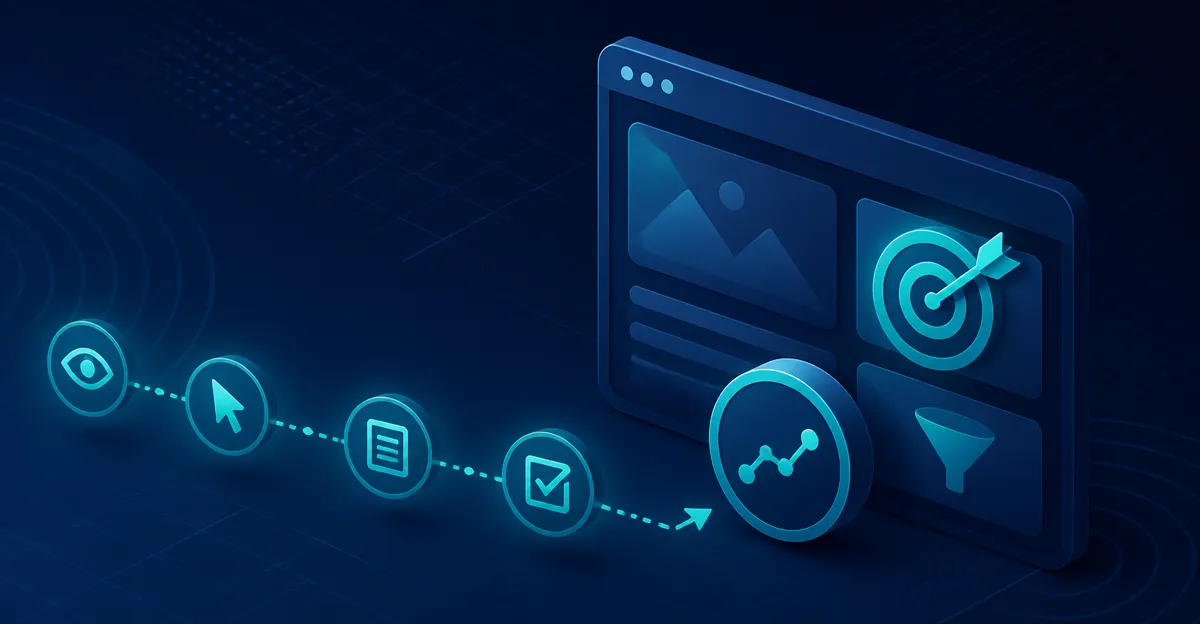
The first step is to diagram the complete lifecycle of a takedown request. Typical stages include detection, verification, notice generation, submission, confirmation, and reporting.
Each stage should be assigned clear ownership, either to a software component or to a human reviewer for quality assurance.
Selecting the Technology Stack
Common technology choices include:
- Content fingerprinting services (e.g., audio fingerprinting, image hash libraries) for detection.
- Serverless functions or microservices to handle notice generation and API calls.
- Workflow orchestration platforms such as Apache Airflow or commercial iPaaS solutions.
When evaluating options, one should compare cost, latency, scalability, and ease of integration with existing content management systems.
Setting Up Continuous Monitoring
Automated monitoring can be achieved through web crawlers, CDN logs, and third‑party monitoring services. The crawler should run at intervals that balance freshness with resource consumption, often every five to fifteen minutes for high‑traffic publishers.
Detected matches are stored in a queue for subsequent verification, ensuring that the system does not lose any potential infringing instance.
Generating Legally Compliant Notices
Notice templates must be populated with dynamic data such as the URL of the infringing material, the copyrighted work description, and the contact information of the rights holder. The template should also include the statutory statement required by the DMCA.
Automation scripts can pull data from a relational database or a NoSQL store, then render the final notice in plain text or PDF format.
Submitting Notices to Hosts and Platforms
Submission channels vary by target. Some platforms provide RESTful APIs, while others require email or web‑form submission. The workflow should abstract these differences behind a unified interface.
For API‑based submissions, the system must handle authentication, rate limiting, and error handling to ensure reliable delivery.
Tracking, Confirmation, and Reporting
After submission, the system must record the response status, including any removal confirmation or request for clarification. A status dashboard can display key metrics such as average processing time and success rate.
Periodic reports should be generated for legal teams, summarizing the volume of notices, outcomes, and any recurring infringers.
Step‑by‑Step Implementation Guide
- Define Scope and Requirements – Identify the types of content that require protection (e.g., video, audio, text) and the jurisdictions in which the publisher operates.
- Choose Detection Tools – Evaluate fingerprinting services, hash‑based matching, and third‑party monitoring platforms. Select the tools that best align with the content types identified.
- Design Data Model – Create database schemas to store detected matches, notice drafts, submission logs, and compliance metadata.
- Develop Detection Pipeline – Implement crawlers or log parsers that feed potential matches into a message queue such as Amazon SQS or RabbitMQ.
- Build Notice Generation Service – Write a microservice that consumes queue messages, validates required fields, and renders a DMCA notice using a templating engine.
- Integrate Submission Connectors – For each target platform, develop a connector that knows how to transmit the notice, handle responses, and retry on failure.
- Implement Orchestration Layer – Use a workflow engine to coordinate the steps, enforce retries, and route exceptions to a human review queue.
- Set Up Monitoring and Alerts – Configure alerts for failed submissions, unusually high false‑positive rates, or latency spikes.
- Deploy Incrementally – Begin with a pilot covering a single content type or a limited subset of domains, then expand based on performance metrics.
- Document and Train – Produce operational documentation and train legal and engineering teams on the workflow, escalation procedures, and audit requirements.
Real‑World Case Study: Streamline Media
Streamline Media operates a network of news sites that syndicate articles programmatically. In 2025 the company faced an average of 1,200 DMCA requests per month, each requiring manual preparation.
By implementing an automated DMCA takedown workflow for programmatic publishers, Streamline Media reduced the average processing time from 72 hours to 18 minutes. The system leveraged image hash matching for unauthorized photo reuse and a custom API connector for major social platforms.
Within six months the company reported a 35 % reduction in legal expenses and a 22 % improvement in compliance audit scores. The case illustrates how automation can transform a resource‑intensive function into a scalable, measurable process.
Best Practices and Common Pitfalls
Adhering to best practices maximizes the effectiveness of the automated workflow while minimizing risk.
- Maintain Accurate Metadata – Ensure that all content identifiers are up to date; stale URLs lead to failed takedowns.
- Include Human Review Points – Automated detection should trigger a manual verification step for high‑value or ambiguous cases.
- Stay Informed of Legal Changes – DMCA provisions evolve; regular policy reviews keep the workflow compliant.
- Log Every Action – Comprehensive logs support legal defensibility and facilitate root‑cause analysis.
- Test Failure Scenarios – Simulate network outages, API throttling, and malformed responses to ensure robust error handling.
Common pitfalls include over‑reliance on a single detection technology, neglecting international copyright variations, and failing to allocate resources for ongoing maintenance.
Conclusion
An automated DMCA takedown workflow for programmatic publishers is no longer a luxury; it is a strategic necessity in a hyper‑connected ecosystem. By following the structured design principles, selecting appropriate technologies, and implementing rigorous monitoring, one can achieve rapid, compliant removal of infringing material at scale.
The comprehensive guide presented here equips programmatic publishers with the knowledge required to transition from ad‑hoc manual processes to a resilient, automated system. Continuous improvement, legal awareness, and balanced automation will ensure long‑term success and protection of intellectual property rights.
Frequently Asked Questions
What is an automated DMCA takedown workflow for programmatic publishers?
It is a system that automatically detects, documents, and submits DMCA removal requests for infringing content, reducing manual effort and legal exposure.
Which elements must a DMCA takedown notice include?
The notice must identify the copyrighted work, specify the location of the infringing material, and contain a statement of good‑faith belief in infringement.
What are the main benefits of automating DMCA takedowns?
Automation speeds up removal, ensures consistent compliance, and lowers labor costs while minimizing the risk of incomplete notices.
What technology options are commonly compared for building a DMCA workflow?
Publishers typically evaluate custom scripts, third‑party SaaS platforms, and integrated content‑ID solutions based on scalability, cost, and integration depth.
How can programmatic publishers refine their DMCA workflow over time?
By monitoring success rates, updating detection rules, and incorporating feedback loops to improve notice accuracy and response handling.