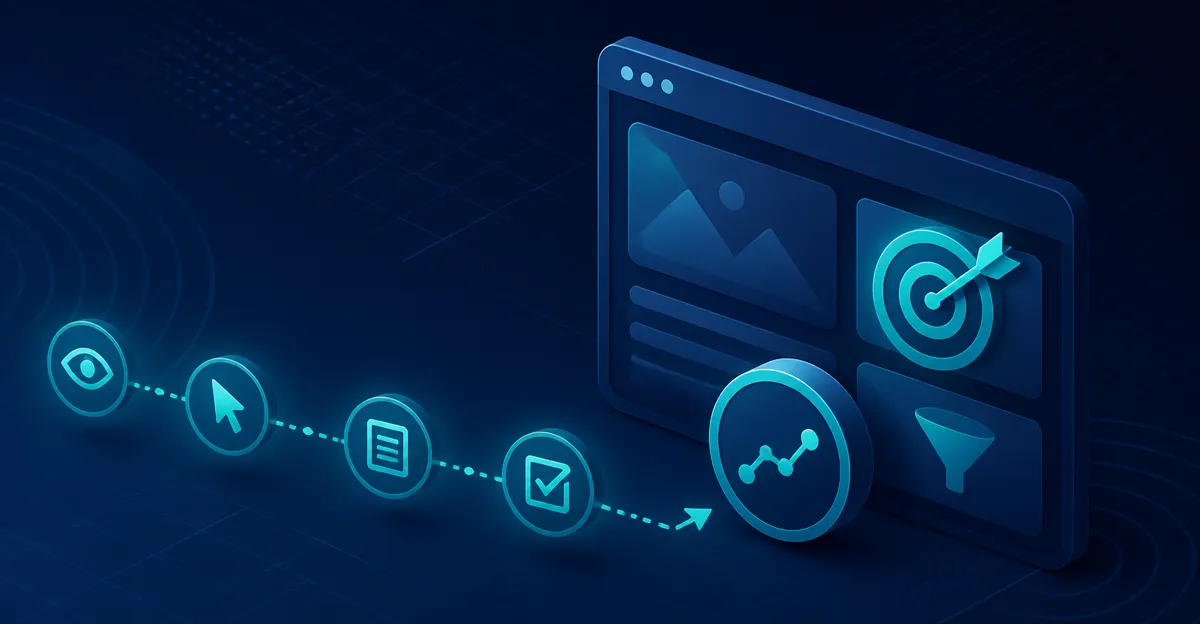

Understanding the Audience Feedback Loop
The concept of an audience feedback loop for continuous content improvement represents a systematic method by which creators gather, analyse, and act upon user responses. It enables one to transform passive consumption into active participation, thereby increasing relevance and loyalty. By recognising the cyclical nature of feedback, one can align content strategy with evolving audience expectations. This section outlines the definition, importance, and essential components of the loop.
Definition and Importance
An audience feedback loop is a closed‑system process that captures audience reactions, processes the data, and feeds insights back into content creation. It is important because it reduces reliance on guesswork and replaces intuition with evidence‑based decisions. Continuous improvement emerges when creators iterate based on real‑world signals rather than static assumptions. Ultimately, the loop drives higher engagement metrics, lower bounce rates, and stronger brand affinity.
Core Components
The loop consists of four interdependent components: collection, aggregation, interpretation, and implementation. Collection involves gathering quantitative and qualitative signals through surveys, comments, and behavioural analytics. Aggregation consolidates disparate data points into a coherent dataset that can be examined holistically. Interpretation extracts actionable insights, while implementation translates those insights into concrete content adjustments. Each component must operate with transparency and consistency to maintain audience trust.
Preparing the Infrastructure
Before one can launch an effective feedback loop, the necessary technical and organisational infrastructure must be established. This preparation ensures that data flows smoothly and that stakeholders understand their responsibilities. Investing in the right tools reduces friction and improves data quality. The following subsections describe channel selection and tool configuration.
Selecting Feedback Channels
Multiple channels provide diverse perspectives; therefore, one should not rely on a single source of feedback. Common channels include embedded surveys, social media comments, email newsletters, and analytics dashboards. Each channel offers unique advantages: surveys deliver structured responses, while comments reveal unstructured sentiment. A balanced mix captures both breadth and depth of audience opinion.
Setting Up Data Collection Tools
Robust tools such as Google Analytics, Hotjar, or specialized survey platforms enable systematic data capture. One must integrate these tools with the content management system to automate data flow. Tag management solutions, for example, allow the creation of event triggers that record user interactions without manual intervention. Proper configuration also includes privacy compliance measures to protect user data.
Designing the Feedback Process
Designing the feedback process involves creating instruments that elicit meaningful responses while minimising respondent fatigue. Thoughtful questionnaire design, clear call‑to‑action prompts, and timing considerations all influence participation rates. The process should be iterative, allowing refinements based on initial response quality. The following subsections provide concrete steps for survey creation and comment analysis.
Creating Surveys and Polls
Effective surveys begin with a clear objective, such as measuring content relevance or identifying knowledge gaps. One should employ a mixture of Likert‑scale questions, multiple‑choice items, and open‑ended prompts. For example, a five‑point scale can gauge satisfaction, while an open text field captures nuanced suggestions. A typical survey workflow includes drafting, pilot testing with a small audience segment, and full deployment.
Implementing Comment Analysis
Comments on blog posts, videos, and social media provide rich qualitative data that can be mined for sentiment and themes. Natural language processing tools can categorise comments into positive, neutral, or negative clusters. Manual review remains valuable for detecting sarcasm or context‑specific nuances. Combining automated tagging with human oversight yields the most accurate representation of audience sentiment.
Analyzing Feedback for Continuous Improvement
Analysis transforms raw data into strategic direction, guiding content creators toward higher performance. Both quantitative and qualitative techniques are required to obtain a comprehensive view. The following subsections describe statistical methods and thematic analysis approaches.
Quantitative Analysis Techniques
Quantitative data, such as survey scores or click‑through rates, can be examined using descriptive statistics, correlation analysis, and segmentation. One might calculate the average satisfaction score for each content type and compare it against industry benchmarks. Heatmaps reveal where users spend the most time, indicating areas of interest or confusion. Statistical significance testing ensures that observed differences are not due to random variation.
Qualitative Insight Extraction
Qualitative insights emerge from coding open‑ended responses and comment threads into recurring themes. One can employ a two‑stage process: first, independent coders identify initial codes; second, a consensus meeting refines the codebook. Themes such as "need for more examples" or "prefer visual aids" often surface. These themes directly inform editorial guidelines and content formats.
Implementing Changes Based on Feedback
Implementation bridges the gap between insight and action, turning audience wishes into tangible improvements. Prioritisation ensures that limited resources focus on high‑impact changes. Testing validates that modifications produce the desired outcomes before full rollout. The following subsections outline a systematic approach.
Prioritisation Framework
A common framework is the Impact‑Effort matrix, which categorises initiatives as high‑impact/low‑effort, high‑impact/high‑effort, low‑impact/low‑effort, or low‑impact/high‑effort. One should plot each suggested improvement on this matrix to identify quick wins. For example, adding a summary box to articles may be low effort but high impact on comprehension. Conversely, a complete redesign of the site architecture may be high effort and require careful justification.
Testing and Validation
Before committing to permanent changes, one should conduct A/B tests or pilot releases. In an A/B test, two versions of a page are shown to comparable audience segments, and performance metrics are compared. Statistical confidence levels of at least 95 % are recommended before declaring a winner. Pilot releases allow a smaller audience to experience changes, providing early feedback that can be incorporated before wider deployment.
Closing the Loop with the Audience
Closing the loop reinforces trust by demonstrating that audience input leads to concrete results. Transparent communication about actions taken encourages continued participation and deeper engagement. One should also celebrate successes that originated from audience suggestions. The following subsections describe communication tactics and strategies for sustaining the feedback culture.
Communicating Actions Taken
Publicly acknowledging feedback can be achieved through blog posts, newsletters, or social media updates that highlight specific changes. For instance, a content creator might write, "Based on your request for more visual examples, we have added infographics to all how‑to articles." Such messages should reference the original feedback source and explain the rationale behind the implemented change.
Encouraging Ongoing Participation
Incentivising feedback through gamified elements, such as badge awards or entry into a prize draw, can increase response rates. Regularly scheduled feedback prompts, such as quarterly surveys, create a rhythm that audiences anticipate. Providing a clear value proposition—showing how feedback improves their experience—further motivates participation. Over time, a vibrant feedback community emerges, fueling continuous content improvement.
Case Study: Technology Blog Enhances Engagement by 42 %
A mid‑size technology blog applied the audience feedback loop to its weekly tutorials. The team began by deploying a short three‑question survey at the end of each article, asking readers to rate clarity, relevance, and desire for additional examples. They also activated comment sentiment analysis using a cloud‑based NLP service. Within two months, quantitative analysis revealed a 15 % drop in bounce rate, while qualitative themes indicated a demand for more step‑by‑step visuals.
Using an Impact‑Effort matrix, the editorial team prioritized the creation of custom diagrams, a low‑effort but high‑impact improvement. A/B testing compared articles with and without diagrams, showing a 28 % increase in average time on page for the diagram‑enhanced versions. The team announced the change via a newsletter, directly quoting reader feedback that inspired the update. Six weeks later, overall engagement metrics rose by 42 %, and the blog’s monthly survey participation increased from 12 % to 27 %.
Conclusion
Building an audience feedback loop for continuous content improvement requires deliberate planning, reliable tools, rigorous analysis, and transparent communication. By following the step‑by‑step process outlined above, one can transform audience insights into actionable enhancements that boost engagement and optimise content performance. The loop becomes a self‑reinforcing mechanism: improved content elicits richer feedback, which in turn drives further refinement. Consistent application of this methodology positions any creator to stay ahead of audience expectations and to deliver lasting value.
Frequently Asked Questions
What is an audience feedback loop?
It is a closed‑system process that captures audience reactions, analyzes the data, and feeds insights back into content creation.
Why is an audience feedback loop important for creators?
It replaces guesswork with evidence‑based decisions, boosting engagement, lowering bounce rates, and strengthening brand affinity.
What are the four core components of the audience feedback loop?
Collection, aggregation, interpretation, and implementation.
How does the collection stage differ from aggregation?
Collection gathers raw quantitative and qualitative signals, while aggregation consolidates those signals into a coherent dataset for analysis.
How can creators use insights from the loop to improve content?
By interpreting the data to extract actionable insights and then implementing changes that align with evolving audience expectations.