
Introduction: Why Internal Linking Still Matters in 2026
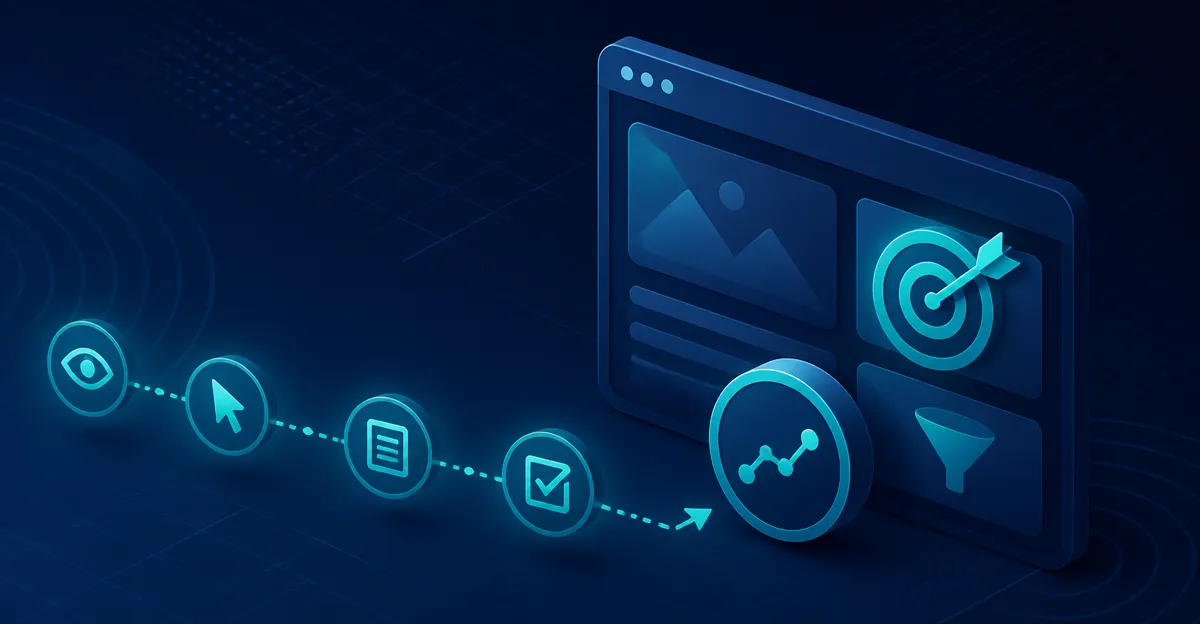
Internal linking remains a foundational SEO practice that shapes site architecture, distributes authority, and guides user journeys. One should consider both traditional search objectives and emerging answer-driven behaviors when planning link strategies.
This guide explains internal linking GEO vs AEO approaches and provides step-by-step instructions, real-world examples, and measurable KPIs. The reader will gain actionable tactics for both Google-focused optimization and answer-engine optimization for conversational and AI-driven results.
H2: Defining Terms: GEO and AEO Explained
H3: What GEO Means (Google Engine Optimization)
GEO refers to the traditional optimization approach centered on Google ranking signals and page-level authority. It emphasizes factors such as topical relevance, PageRank flow, anchor text, and hierarchical site structure for optimal crawl and index performance.
Under GEO, internal links are used primarily to strengthen topical clusters, pass link equity to priority pages, and improve discoverability for crawlers. Site owners prioritize canonical pages, pillar content, and category pages with deliberate internal links.
H3: What AEO Means (Answer Engine Optimization)
AEO describes the practice of optimizing content and structure to satisfy answer engines, voice assistants, and AI-driven SERP features. The emphasis shifts toward delivering concise, structured answers, leveraging schema, and surfacing specific passages for featured snippets and assistant responses.
For AEO, internal linking becomes a tool to surface atomic answers, highlight question-to-answer relationships, and facilitate content extraction by AI models. The goal is to make discrete answers discoverable and contextually supported by nearby explanatory pages.
H2: Why Internal Linking Is Different for GEO vs AEO
Both GEO and AEO require internal links, but the intent, anchor strategy, and structure differ significantly. GEO focuses on hierarchical strength and topical clusters, while AEO focuses on answer prominence and microcontent accessibility.
Understanding these differences allows one to design a linking system that supports both long-form relevance and short-form extraction. The following sections provide detailed strategies and examples for each approach.
H2: GEO Internal Linking Strategies (Practical Steps)
H3: Step 1 — Map the Topical Hierarchy
Create a content inventory and map pages into a logical hierarchy of pillars, clusters, and supporting pages. One should group related pages into topic silos to concentrate link equity and improve relevance signals to Google.
Example: For a travel site, use a pillar page "Japan Travel Guide" linking to cluster pages like "Tokyo Hotels," "Kyoto Temples," and "Japan Rail Pass Guide." Ensure bidirectional contextual links between pillar and cluster pages.
H3: Step 2 — Use Anchor Text Intentionally
Choose descriptive anchor text that reflects the target page keyword while avoiding over-optimization. Diverse but relevant anchors help Google understand topical relationships and avoid algorithmic penalties.
Example: Link the phrase "Kyoto temples" from a city overview page to a detailed Kyoto temples article, and provide a different contextual anchor like "historic shrines" from a related cultural post.
H3: Step 3 — Prioritize Crawl Paths and Depth
Reduce click depth for priority pages to ensure quick crawlability and faster indexing. Place high-value internal links from category pages, breadcrumbs, and contextual body links rather than burying content behind multiple clicks.
Example: Ensure an ecommerce product receives internal links from category pages, related product sections, and a best-sellers page to maintain a three-click maximum from the homepage.
H2: AEO Internal Linking Strategies (Practical Steps)
H3: Step 1 — Identify Atomic Answers
Break content into atomic answer units: concise statements that directly answer common user questions. Link these units to longer explanatory pages to provide both the short answer and supporting depth.
Example: A health site should present a 40-60 word answer to "What is intermittent fasting?" on a Q&A block, with an internal link to a full research-based article on protocols and benefits.
H3: Step 2 — Use Section Anchors and Descriptive IDs
Implement HTML section anchors (id attributes) and link to those anchors from summary pages and related Q&A blocks. This practice helps answer engines and AI systems extract precise passages for snippet inclusion.
Example: Add <h2 id="how-it-works"> and link a FAQ index entry to #how-it-works so that the exact explanatory passage is directly addressable.
H3: Step 3 — Leverage Structured Data to Signal Answers
Use schema markup such as FAQPage, QAPage, and Dataset where appropriate. Combine structured data with internal links to reinforce which page contains the definitive answer for a given query.
Example: Mark a concise answer with FAQ schema and link from a topical hub page to increase the likelihood that voice assistants will surface that answer when queried.
H2: Step-by-Step Implementation Plan (Combined GEO + AEO)
- Audit existing internal links and identify orphan pages using a crawler tool. Document current anchor text distribution and click depth for priority pages.
- Define priority pages for GEO (pillar pages, product pages) and for AEO (atomic answers, FAQ items). Create a spreadsheet mapping each page to its role.
- For GEO, add contextual links from pillar pages to clusters with keyword-rich but varied anchors. Ensure category pages link to pillars and vice versa.
- For AEO, create Q&A blocks or short answer components for atomic answers and add internal links to full articles using section anchors and schema markup.
- Monitor indexation, snippet appearance, and traffic; iterate based on data from Search Console and analytics platforms.
H2: Real-World Case Study: Travel Publisher
A mid-sized travel publisher implemented a combined GEO and AEO linking strategy to increase organic traffic and featured snippet share. The team identified pillar pages for each country and created short-answer FAQ blocks for high-intent queries.
Within six months, organic sessions increased by 28 percent and featured snippets rose by 45 percent for targeted queries. The publisher observed faster indexation due to reduced click depth and greater snippet capture due to well-structured atomic answers.
H2: Comparison: GEO vs AEO — Pros and Cons
H3: GEO — Pros
- Strengthens domain authority through hierarchical linking and topical clustering.
- Improves crawl efficiency and indexing of deep content.
- Supports broad keyword rankings and long-form content performance.
H3: GEO — Cons
- May neglect short-answer queries and snippet capture without additional optimizations.
- Risk of anchor text over-optimization if not diversified.
H3: AEO — Pros
- Increases likelihood of appearing in featured snippets, knowledge panels, and voice responses.
- Enhances user satisfaction by surfacing quick answers and relevant follow-up links.
H3: AEO — Cons
- Requires additional structural work such as schema and section anchors.
- May fragment content if atomic answers are not properly linked to supporting pages.
H2: Measurement and KPIs
Measure both GEO and AEO outcomes using a combination of traditional SEO metrics and answer-focused signals. Key performance indicators should include organic traffic, internal click-through rates, featured snippet impressions, and crawl frequency.
Specific KPIs include: change in organic sessions for pillar pages, number of featured snippet captures for atomic answers, average click depth for priority pages, and conversion rates from internally linked pathways.
H2: Common Mistakes and How to Avoid Them
Avoid excessive internal links that dilute relevance and confuse crawlers. One should prioritize contextually relevant links and remove redundant or outdated links that conflict with the intended topical flow.
Do not isolate atomic answers; always link them to longer content to provide depth and reduce bounce risk. Use structured data carefully and validate markup to avoid schema errors that could impede AEO benefits.
H2: Final Recommendations and Best Practices
Adopt a hybrid internal linking strategy that supports both GEO and AEO objectives. Prioritize site hierarchy and authority distribution while also creating clear pathways for atomic answers and snippet extraction.
Maintain a regular audit cadence, measure the right KPIs, and iterate based on empirical results. The combined approach allows an organization to capture both long-tail ranking opportunities and immediate answer-driven demand.
Conclusion: Implementing Internal Linking GEO vs AEO Successfully
Mastering internal linking GEO vs AEO requires deliberate planning, technical precision, and ongoing measurement. By balancing hierarchical link equity with accessible atomic answers, one may maximize both traditional ranking potential and answer-engine visibility.
The reader should begin with an audit, implement targeted changes for both GEO and AEO, and monitor performance to refine the approach. This disciplined process yields measurable gains in organic reach, featured answer capture, and user engagement.