The Ultimate Guide to a Snackable Content Bundle Strategy That Supercharges Cross‑Sell Revenue
Published: January 28, 2026
Introduction
On January 28, 2026, businesses face intensified competition for customer attention and wallet share. A snackable content bundle strategy for increased cross-sell offers a practical path to capture attention and convert it into incremental revenue.
This guide explains what snackable content bundles are, why they work for cross-sell, and how one may design, deploy, and measure them in real-world settings. It provides step-by-step instructions, concrete examples, and comparative analyses to help practitioners implement an effective program.
What Is a Snackable Content Bundle Strategy for Increased Cross‑Sell?
Snackable content refers to short, focused pieces of marketing content that are easy to consume and act upon. A bundle strategy groups those pieces around complementary products or services to encourage additional purchases at or after the point of sale.
When combined, the approach aligns product recommendations with bite-sized educational content, demonstrating immediate value and reducing friction to purchase. This pairing increases perceived utility and supports higher attachment rates during checkouts or follow-up journeys.
Why It Works: Psychology and Commerce
Attention and Cognitive Load
Short content reduces cognitive load and matches modern attention spans. Users are more likely to read and remember a 30-second video or 150-word tip than a long-form white paper.
Snackable formats create moments of engagement that make a cross-sell recommendation feel natural rather than pushy.
Contextual Relevance
When content is bundled and targeted, it frames the additional product as a solution to a specific, immediate need. This relevance increases conversion probability compared with generic upsell prompts.
One example is pairing a short tutorial video with an accessory product during checkout, making the accessory feel necessary to complete the use case.
Designing a Snackable Content Bundle Strategy
Step 1: Define Cross‑Sell Objectives
Begin by setting clear goals, such as increasing attachment rate by a percentage, lifting average order value, or reducing churn through product education. Clear objectives guide content selection and measurement.
They also determine whether bundles target first-time buyers, repeat customers, or lapsed users.
Step 2: Identify High‑Potential Pairings
Use sales data and customer journeys to find natural complements, such as a protective case for a gadget or training modules for premium software. Prioritize pairings with high margin and logical fit.
One may validate pairings through A/B tests or small pilot campaigns before scaling the program.
Step 3: Create Snackable Content Types
Produce short videos, checklist PDFs, one-page guides, and email snippets that explain immediate benefits and quick wins. Each item should be consumable in under two minutes or read in under a minute.
Examples include a 45-second setup video, a one-paragraph troubleshooting tip, and a 90-second testimonial that highlights complementary value.
Step 4: Package and Present Bundles
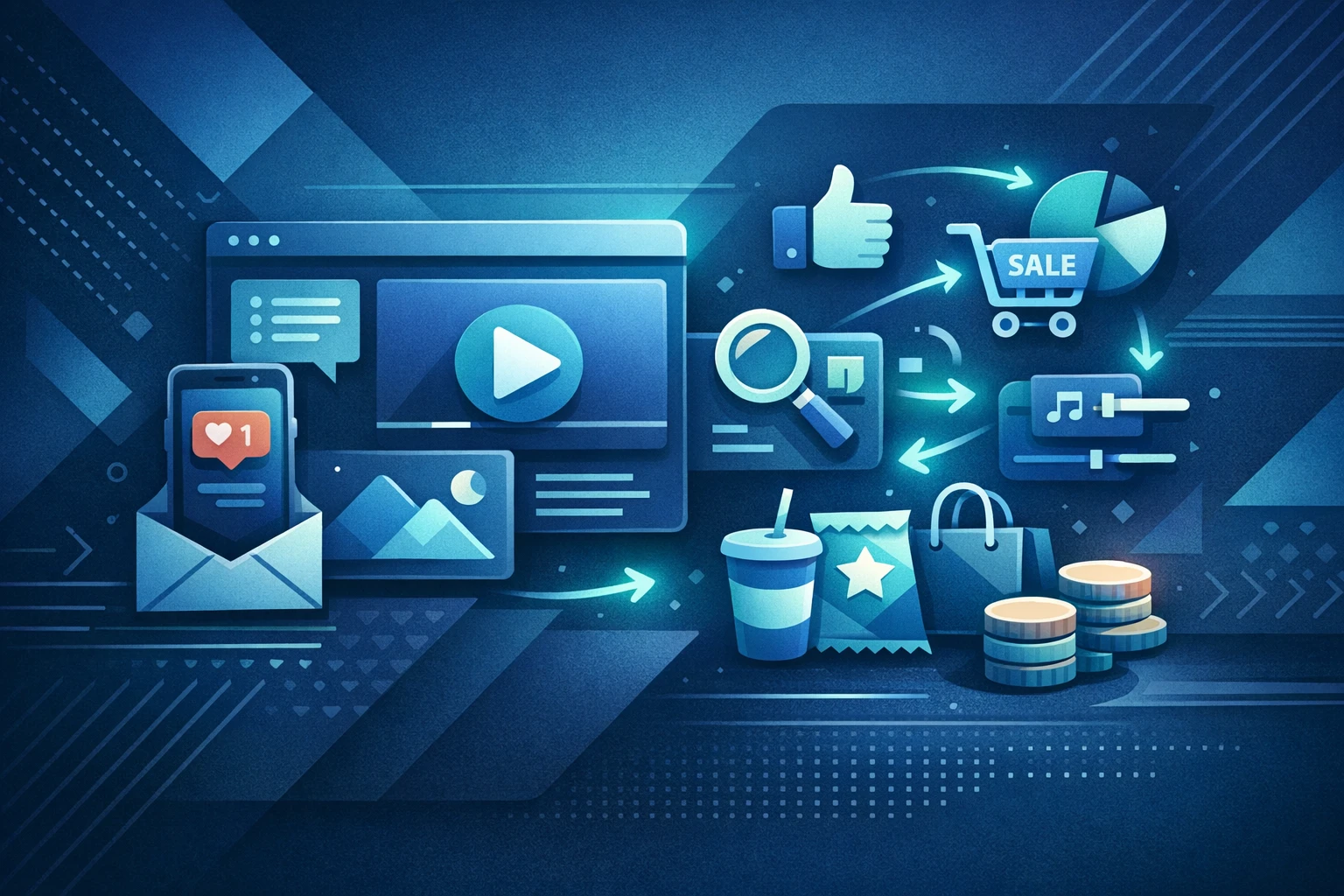
Design the bundle presentation to be unobtrusive and contextually timed. Options include checkout widgets, post-purchase emails, in-app modals, and social retargeting snippets.
One effective format is a compact carousel on product pages that pairs a short demo clip with the complementary SKU and a single-line benefit statement.
Implementation: Step‑by‑Step
Implementation requires coordination across content, product, and analytics teams. The following numbered steps map a repeatable process for most organizations.
- Audit existing content and product relationships to identify reuse opportunities and gaps.
- Prioritize 3 to 5 initial bundles based on margin and customer interest data.
- Create or repurpose snackable assets for each bundle, keeping runtime under two minutes for video and under 300 words for written content.
- Set tracking with unique UTM parameters, product-level SKUs, and conversion pixels.
- Deploy in a single channel initially, such as checkout or welcome email, and monitor KPIs for two to four weeks.
- Iterate creative and placement based on performance; expand to additional channels when results justify scale.
Each step involves specific tactical choices that influence outcomes, so teams should document decisions and A/B test variations at every stage.
Real‑World Examples and Case Studies
Example 1: Consumer Electronics Retailer
A national electronics retailer bundled a 60-second setup video with a phone case and screen protector during checkout. They reduced returns and increased accessories attachment rate by 18 percent.
The short video demonstrated how the case improved grip and how the protector preserved resale value, addressing common customer concerns succinctly.
Case Study: B2B SaaS Vendor
A B2B software provider created three snackable onboarding modules that were offered as a bundle with a premium support package. The campaign increased premium upgrades by 22 percent among trial users.
The content clarified immediate ROI for the premium tier and reduced confusion, which lowered friction to purchase.
Example 2: Subscription Box Service
A subscription box company offered a one-page care guide bundled with a themed add-on product. The add-on attachment rate rose by 12 percent and lifetime value increased for customers who engaged with the guide.
This result demonstrated the value of education-driven bundling where perceived utility drives additional sales.
Comparisons: Snackable Bundles vs. Traditional Bundles
Traditional bundles often rely on price discounts and assume customers will opt-in for savings. Snackable content bundles emphasize contextual value and education as the main driver of attachment.
Compared with traditional bundling, the snackable approach typically yields higher engagement, better product satisfaction, and lower reliance on discounting as a conversion lever.
Side‑by‑Side Summary
- Traditional Bundles: heavy emphasis on price, larger packaging, sometimes lower margin.
- Snackable Content Bundles: emphasis on relevance, education, and micro-engagement with higher perceived value.
Pros and Cons
Pros
- Higher conversion via contextual relevance and reduced friction.
- Lower discount dependency, preserving margin.
- Improved customer satisfaction through education and correct usage.
Cons
- Requires coordination across content, product, and analytics teams.
- Initial content production cost, though one may repurpose existing assets.
- Results depend on precise targeting and timing; poor placement can dilute impact.
Measurement and KPIs
Key performance indicators should align with objectives and may include attachment rate, incremental revenue, conversion rate for bundled items, and customer satisfaction metrics. Attribution windows should be defined clearly to capture delayed purchases that follow educational content exposures.
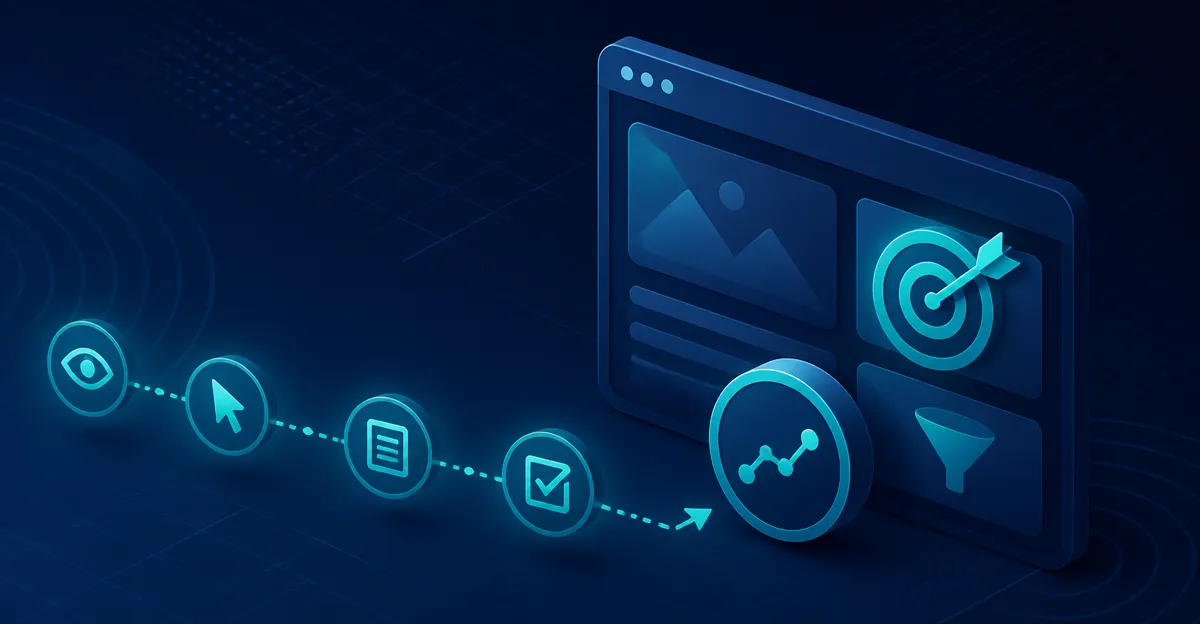
Teams should instrument events for content views, click-throughs, add-to-cart actions, and purchases, and then analyze lift using a control group or randomized experiments when feasible.
Conclusion
A snackable content bundle strategy for increased cross-sell combines short, persuasive content with logical product pairings to raise attachment rates and revenue. When executed with clear objectives, targeted pairings, and robust measurement, the approach scales across verticals from consumer electronics to B2B SaaS.
Teams should begin with a small pilot, measure uplift, and iterate on creative and placement. Over time, this strategy becomes a reliable lever for revenue growth and improved customer outcomes.